Super Cats
The Fascinating World of Cats.
The Fascinating World of Cats
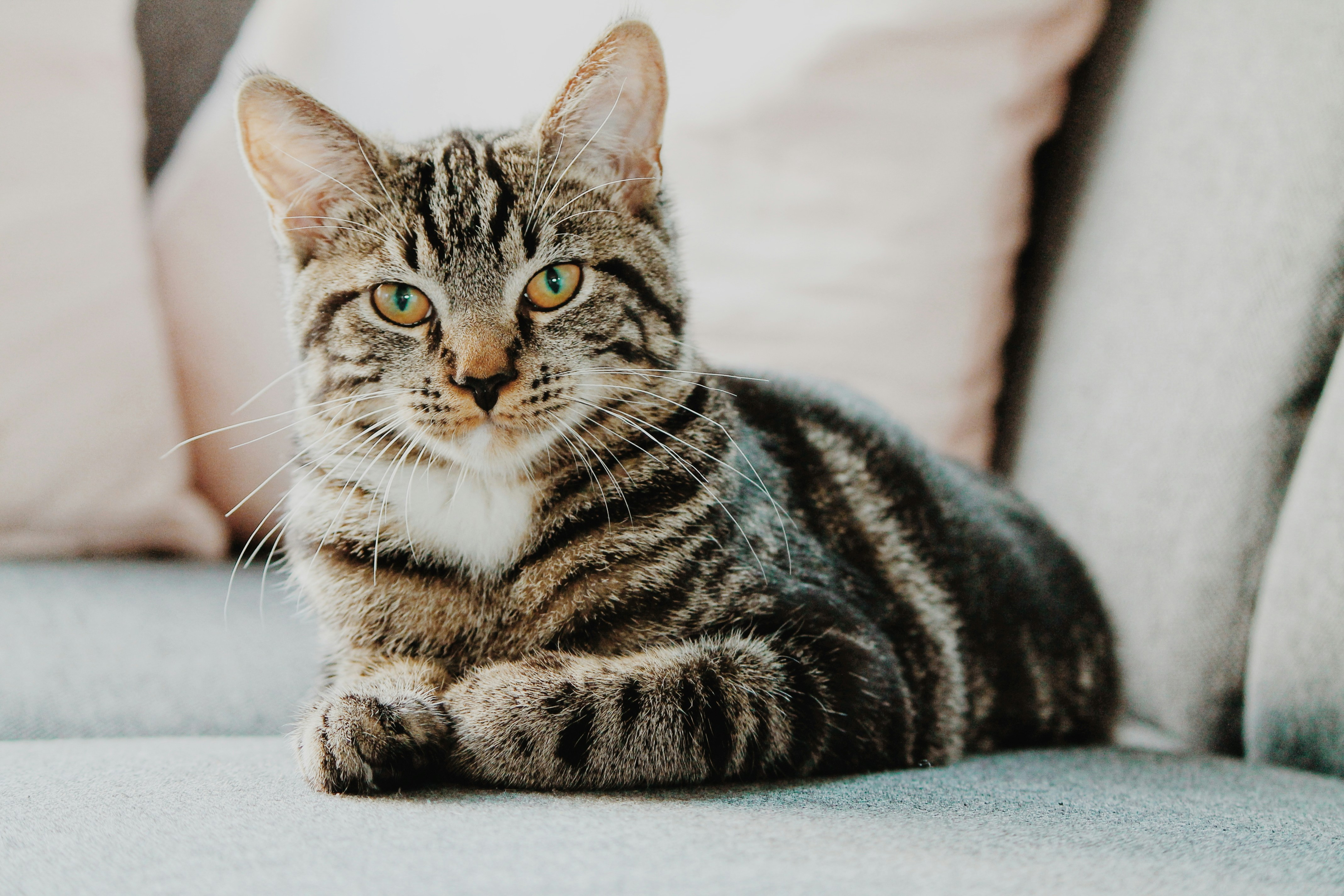
Cats have captivated humans for thousands of years. From being worshiped in ancient civilizations to becoming one of the most popular household companions today, these creatures continue to intrigue us with their elegance, independence, and mysterious behavior. In this article, we will explore the fascinating world of cats — their history, biology, behavior, and their special bond with humans.
A Brief History of Cats
The domestic cat (Felis catus) is believed to have descended from the African wildcat (Felis lybica). Evidence suggests that cats were first domesticated around 10,000 years ago in the Fertile Crescent, where early agricultural societies discovered the benefit of having cats nearby. These small predators helped protect grain stores from rodents, making them invaluable allies.
In ancient Egypt, cats were revered. They were associated with the goddess Bastet, symbolizing home, fertility, and protection. Killing a cat, even accidentally, was punishable by death. Cats were often mummified and buried with their owners.
As civilizations expanded, cats spread across Europe and Asia, often traveling on ships to control pests. By the Middle Ages, however, their reputation suffered due to superstition. Some believed cats, particularly black ones, were companions of witches. Despite this, their usefulness in pest control ensured their survival and continued companionship with humans.
Biology and Physical Traits
Cats are small carnivorous mammals with highly specialized anatomy. They are built for agility, stealth, and hunting efficiency.
Key Physical Characteristics
- Vision: Cats have excellent night vision thanks to a high concentration of rod cells in their retinas and a reflective layer called the tapetum lucidum. This allows them to see in near darkness.
- Hearing: Their hearing range is broader than humans and even dogs. Cats can detect ultrasonic sounds made by rodents.
- Whiskers: Vibrissae, or whiskers, are highly sensitive tactile hairs that help cats sense their environment and measure spaces.
- Claws: Cats have retractable claws, allowing them to remain sharp for hunting and climbing.
- Flexibility: Their spine and powerful muscles enable incredible jumps and swift movements.

Behavior and Communication
Cats are often described as independent, but their social behaviors are more complex than many assume.
Hunting Instincts
Even well-fed domestic cats retain their predatory instincts. They often "play hunt," chasing toys or pouncing on moving objects. Outdoor cats may bring "gifts" such as birds or rodents to their human families, a behavior believed to be linked to instinctive sharing or teaching.
Social Structure
Cats are not strictly solitary. Feral cat colonies can form around abundant food sources. Within these colonies, cats develop hierarchies, often with dominant females at the center. Domesticated cats display varying degrees of sociability, depending on genetics and early socialization.
Communication
Cats communicate through vocalizations, body language, and scent marking.
- Meowing: Unlike wild cats, domestic cats primarily meow to communicate with humans, not with each other.
- Purring: Often associated with contentment, purring may also occur when cats are in pain, suggesting it may have a self-soothing or even healing function.
- Tail language: A raised tail usually indicates friendliness, while a puffed-up tail signals fear or aggression.
The Human–Cat Bond
Cats have a unique place in human households. Unlike dogs, who were bred for specific roles, cats largely chose to live alongside humans. Their semi-independent nature appeals to many modern lifestyles.
Benefits of Having Cats
- Emotional support: Cats provide companionship, reducing feelings of loneliness and stress.
- Health benefits: Studies suggest that owning cats can lower blood pressure, reduce anxiety, and even decrease the risk of heart attack.
- Entertainment: Their playful antics and curious behavior bring joy and laughter to millions of homes.
Cats in Culture
Cats have appeared in folklore, art, and literature across the world. From Cheshire Cat in Alice’s Adventures in Wonderland to Garfield, cats inspire characters that embody curiosity, cunning, and sometimes laziness.
In Japan, the Maneki-neko (beckoning cat) is a symbol of luck and prosperity. In Norse mythology, cats pulled the chariot of the goddess Freyja, representing fertility and love.
Modern Challenges for Cats
While cats are beloved companions, they also face challenges in the modern world.
Overpopulation
Uncontrolled breeding has led to millions of stray and feral cats worldwide. Many end up in shelters, and not all find homes. Spaying and neutering remain essential to prevent overpopulation.
Indoor vs. Outdoor Debate
- Outdoor cats: They enjoy natural stimulation and exercise but face dangers such as traffic, predators, and disease. They also pose a threat to wildlife, particularly birds.
- Indoor cats: Safer and healthier overall, but require environmental enrichment to prevent boredom.
Health Issues
Common cat health problems include obesity, dental disease, kidney disease, and hyperthyroidism. Regular veterinary care is crucial for maintaining their well-being.
Fun Facts About Cats
- Cats sleep 12–16 hours per day, making them one of the sleepiest animals.
- A cat’s nose is as unique as a human fingerprint.
- The oldest known pet cat was buried 9,500 years ago in Cyprus — predating Egyptian cat worship.
- Cats can rotate their ears 180 degrees.
- The world’s richest cat, according to Guinness World Records, inherited $13 million from its owner.
Conclusion
Cats are far more than just cute companions. They are complex creatures with a deep history alongside humans, extraordinary biological traits, and rich cultural symbolism. Their independence, combined with their capacity for affection, makes them unique among domesticated animals.
As we continue to share our homes with them, it is important to appreciate not only their beauty and charm but also their needs and challenges. By doing so, we can ensure that cats remain happy, healthy, and enchanting companions for generations to come.